
Physical AI / Engineering Program
From Robot Data to Safe Action.
A modular training program for teams building robots, autonomous systems and embodied AI.
Instrument the task, collect demonstrations, train and evaluate policies, then deploy with safe-stop and controlled recovery built in.

Tutor LMS Syllabus
Foundation of Physical AI Curriculum
Lesson 1
The Physical AI Stack
4 VideosBuild an operational definition of Physical AI, distinguish the principal model families, place them inside a complete real-time stack, and evaluate the system at offline, closed-loop, and operational levels.

From Content Generation to Causal Intervention
Model Families and Their Interfaces
The Complete Engineering Stack
Evaluation, Deadlines, and Operational Success
Lesson 2
The Physical Interface
4 VideosSpecify the physical meaning of tensors and commands: state, observation, action, coordinate frames, camera geometry, mechanics, estimation, timing, and partial observability.

State, Observation, Belief, and Control
Coordinate Frames and Camera Geometry
Kinematics, Dynamics, and Contact
Estimation, Time, and Partial Observability
Lesson 3
Data and Learning from Demonstrations
4 VideosTreat demonstrations as sampled interaction trajectories, not exchangeable images. Design collection, imitation objectives, action chunks, normalization, splits, evaluation, and audits for real robot learning.

Episode Schemas and Collection Policy
Behavioral Cloning, Multimodality, and Shift
Action Chunks and Cross-Robot Normalization
Leakage-Free Splits, Evaluation, and Dataset Audit
Built for engineering teams
Flexible enterprise delivery
The scope is tailored to your robot, sensors, control stack and operational constraints.
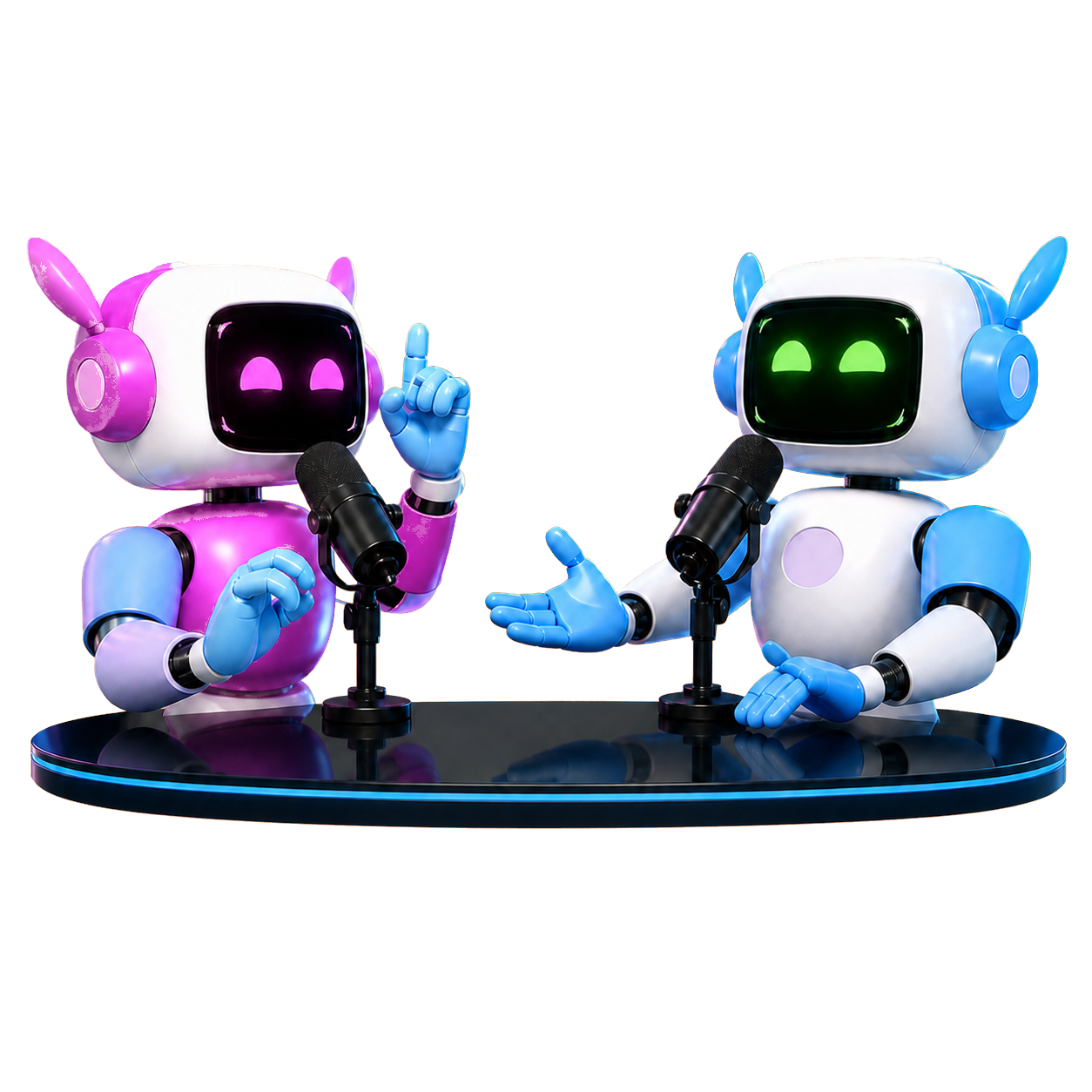 Watch Now
Engineering Outcomes
What your team leaves with.
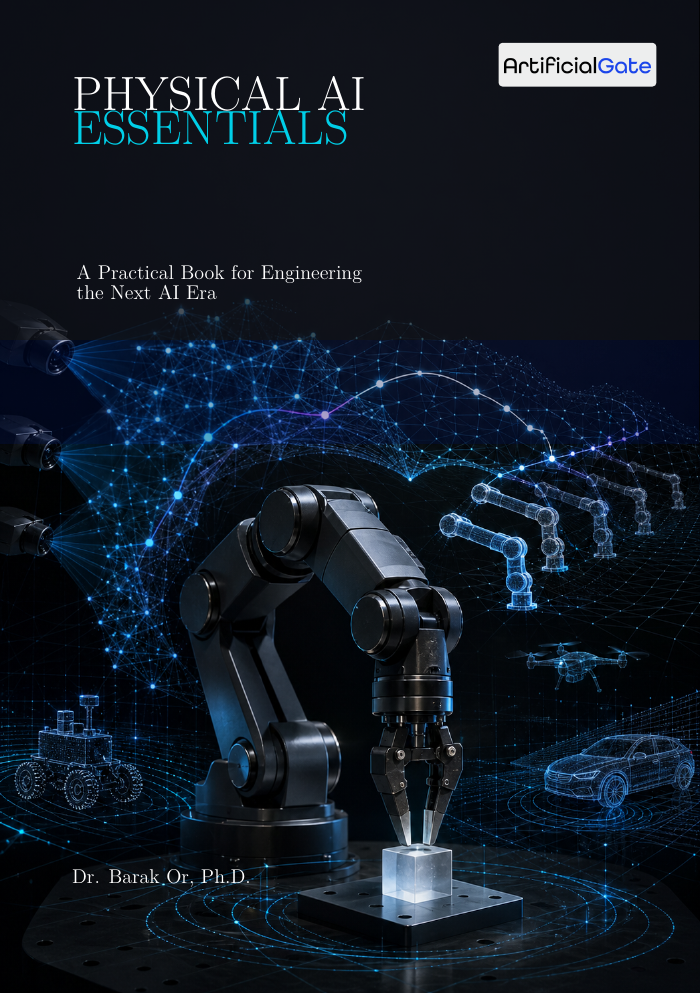
Program Companion
Physical AI Essentials
An engineering-first guide to perception, action, world models, simulation, digital twins, sim-to-real evaluation and reliable deployment.
Open the Book →Build Physical AI that can operate safely.
Tailor the program to your platform, engineering stack and deployment environment.